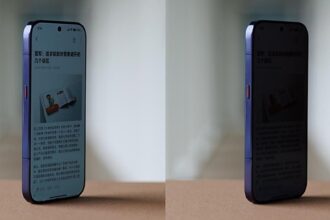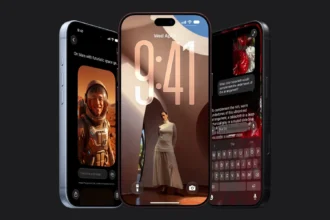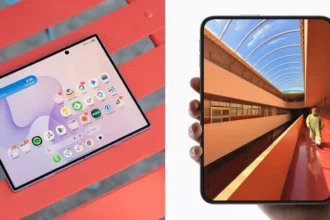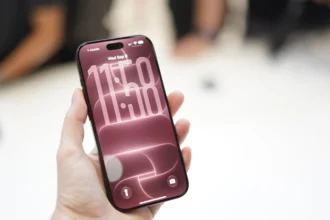

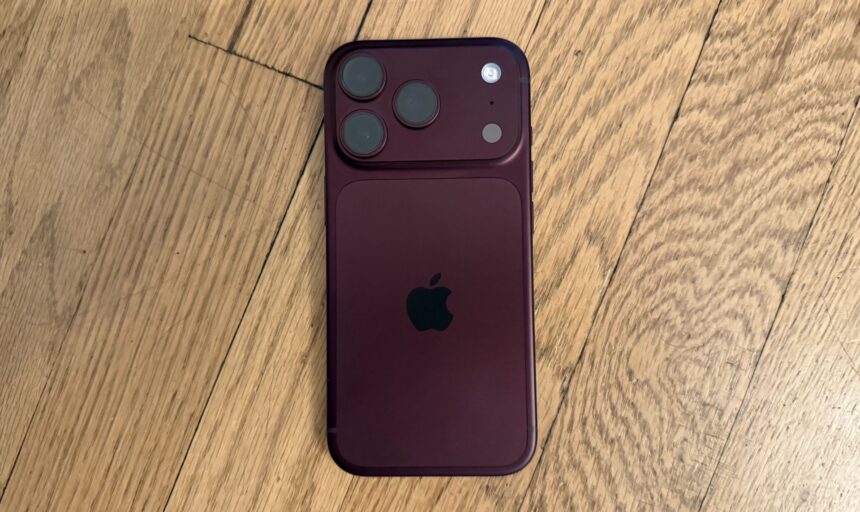
The market arrival of Apple’s flagship smartphone presents a familiar question for consumers evaluating whether annual iterations warrant immediate hardware replacement. Addressing this hesitation directly, the new device focuses its value proposition on refined software controls, user agency, and optical flexibility rather than an aggressive physical redesign. Central to this strategy is the iPhone 18 Pro camera, which integrates variable aperture adjustments and granular photographic textures directly into the native iOS capture interface. For photographers and everyday consumers alike, these enhancements offer native control over highlight rendering, skin smoothing, and depth management. However, because the underlying physical imaging setup relies on the same triple-48 MP rear array and 18 MP front sensor foundation as its direct predecessor, the actual hardware leap remains intentionally modest.
Software Granularity in the iPhone 18 Pro Camera
For years, computational photography on iOS was defined by a firm, highly opinionated image processing pipeline. Standard algorithms routinely prioritized aggressive local tone mapping, broad dynamic range recovery, and sharp contrast, sometimes producing artificial results that drew criticism from traditional photographers. The introduction of built-in camera controls and variable aperture settings in the primary application represents a pivot toward user autonomy. Photographers can now manipulate light exposure characteristics directly at the capture stage without relying exclusively on post-processing software adjustments or computational overrides.
In tandem with manual aperture manipulation, the system introduces four distinct native texture profiles: film, glow, soft skin, and standard. The film profile simulates organic grain structures and warmer color responses reminiscent of analog film stock, directly addressing popular consumer aesthetic preferences. Meanwhile, the soft skin and glow options afford fine control over delicate facial highlights and atmospheric diffusion. By embedding these aesthetic parameters directly into the initial photo generation pipeline, Apple enables users to bypass third-party rendering filters while preserving original sensor metadata. Recent shifts toward smartphone camera post-processing optical realism demonstrate how hardware makers now prioritize natural rendering over aggressive software perfection.
The Impact on Third-Party Camera Applications
This shift toward software customization introduces a complex competitive dynamic for developers building specialized camera tools on iOS. Historically, third-party software creators capitalized on native camera limitations by offering manual shutter speeds, custom color curves, and film simulation presets. By bringing film emulation and granular exposure parameters into the baseline application, Apple reduces the immediate necessity for casual creators to purchase separate photography software.
Nevertheless, advanced manual tools are unlikely to disappear entirely. Specialized utilities continue to serve professional workflows through raw uncompressed sensor output, extended histogram telemetry, and customized color space exports. The consequence for software developers is not immediate obsolescence, but a higher bar for innovation. Third-party applications must now offer deep studio integration and specialized hardware acceleration that extend beyond basic color grading and texture overlays.
Hardware Continuity and Silicon Architecture
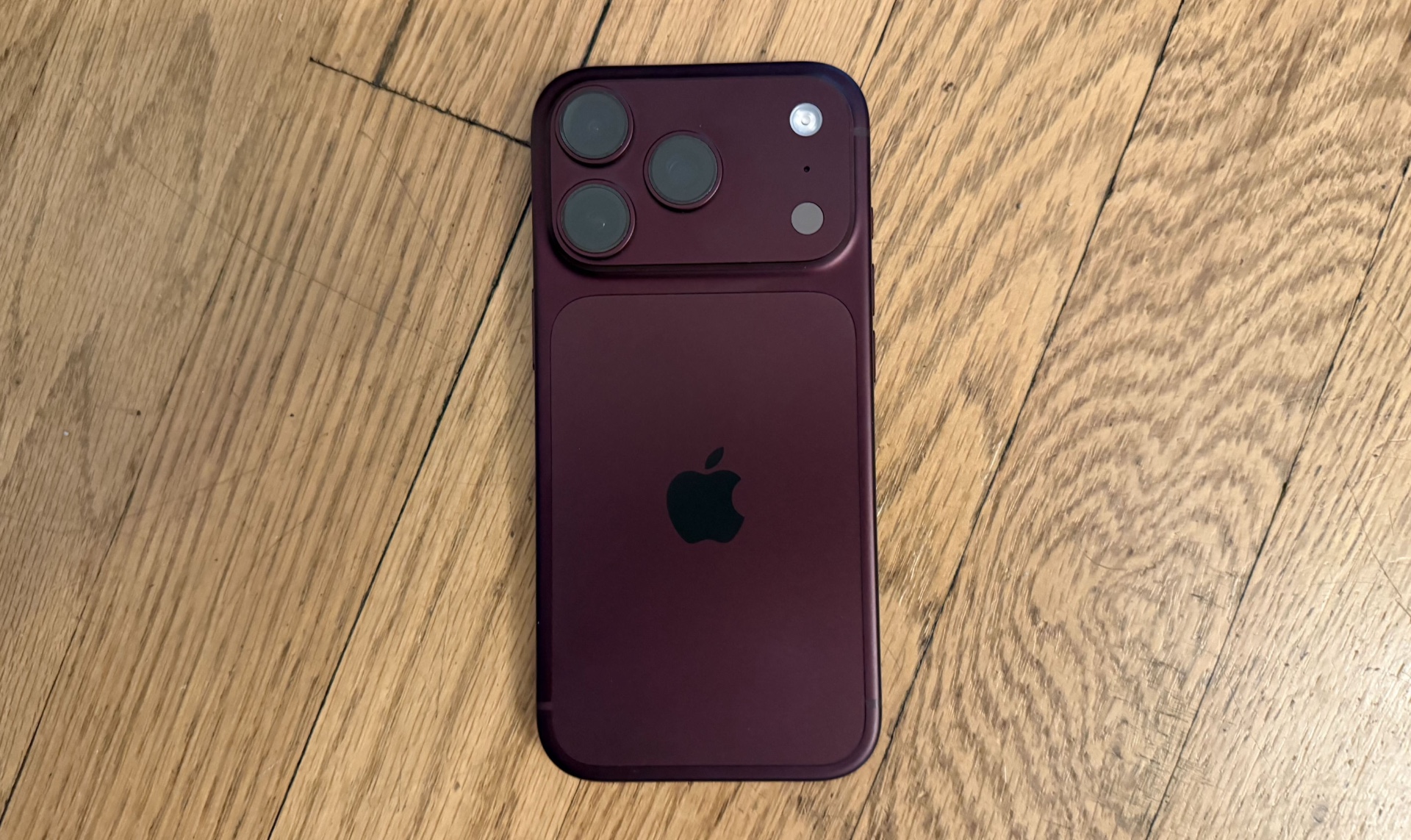
Beneath the expanded software suite, the physical optics demonstrate how mature the smartphone sensor paradigm has become. The triple-48 MP rear camera hardware configuration paired with an 18 MP front camera provides exceptional resolution, high dynamic range, and minimal optical distortion. Yet, the physical architecture remains essentially unchanged from the previous generation. This balance illustrates physical limits governing smartphone chassis dimensions, where thermal envelopes and optical clearances strictly constrain how much glass elements and physical sensors can grow.
Rather than pushing for larger physical sensors that require thicker device housings, silicon optimization and image signal pipeline efficiency carry the primary workload. Computational processing handles multi-frame exposure stacking, noise suppression, and real-time texture application without introducing operational lag. Analyzing how iPhone 18 Pro silicon redefines performance demonstrates how energy dissipation and matrix multiplication tasks manage heat during sustained recording sessions or rapid burst capture.
In practical daily use, this thermal stability ensures that capturing multi-frame exposures or executing complex texture rendering does not cause internal component heating that might slow system responsiveness. For users transitioning from older hardware, the primary operational benefit manifests as consistent battery runtime and predictable thermal management during demanding workflows, rather than a jarring jump in standard application opening speeds.
Corporate Strategy and Market Trajectory
The operational methodology embedded in this release reflects the broader corporate strategy that defined Tim Cook’s tenure as Apple CEO during his final year leading the company. Characterized by disciplined supply chain execution, risk mitigation, and continuous incremental refinement, this approach prioritizes long-term platform stability over sudden hardware experiments. By systematically expanding feature coverage into specialized edge cases—such as native variable aperture controls and vintage film simulation profiles—the flagship lineup delivers high functional reliability across diverse global user bases.
This design philosophy coincides with a structural transformation across the global consumer technology market: the elongation of smartphone replacement cycles. The historical cadence of upgrading hardware every twelve to twenty-four months has largely yielded to three-to-five-year ownership cycles. As modern flagships achieve exceptional physical durability and multi-year operating system support commitments, consumers experience diminishing marginal returns from annual hardware updates. External updates documented via official Apple newsroom disclosures confirm that software enhancements continue reaching previous device tiers where hardware permits.
As hardware innovation enters a mature plateau, the competitive battleground for premium mobile devices has definitively shifted toward software flexibility and ecosystem longevity. The future trajectory of flagship smartphones will increasingly be defined not by radical physical form factor shifts, but by how intelligently integrated operating systems bridge the gap between professional creative controls and automated point-and-shoot convenience.