
The annual iteration of consumer wearables often struggles to justify an immediate replacement cycle, yet assessing an Apple Watch Series 12 upgrade requires evaluating underlying architectural changes. Starting at $399 with market availability on September 18, the smartwatch introduces fundamental modifications to its core computing platform. Rather than delivering dramatic external redesigns, the updated hardware focuses on expanding memory capacity and reorganizing internal sensor arrays. These structural adjustments directly target hardware bottlenecks that previously constrained continuous localized machine learning on wrist-worn devices. For consumers and industry analysts, understanding these technical trade-offs clarifies how the device shifts from passive tracking to active processing.
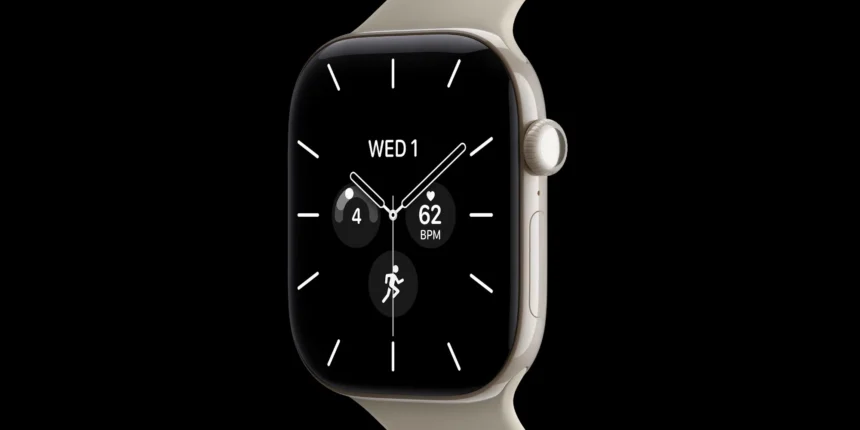
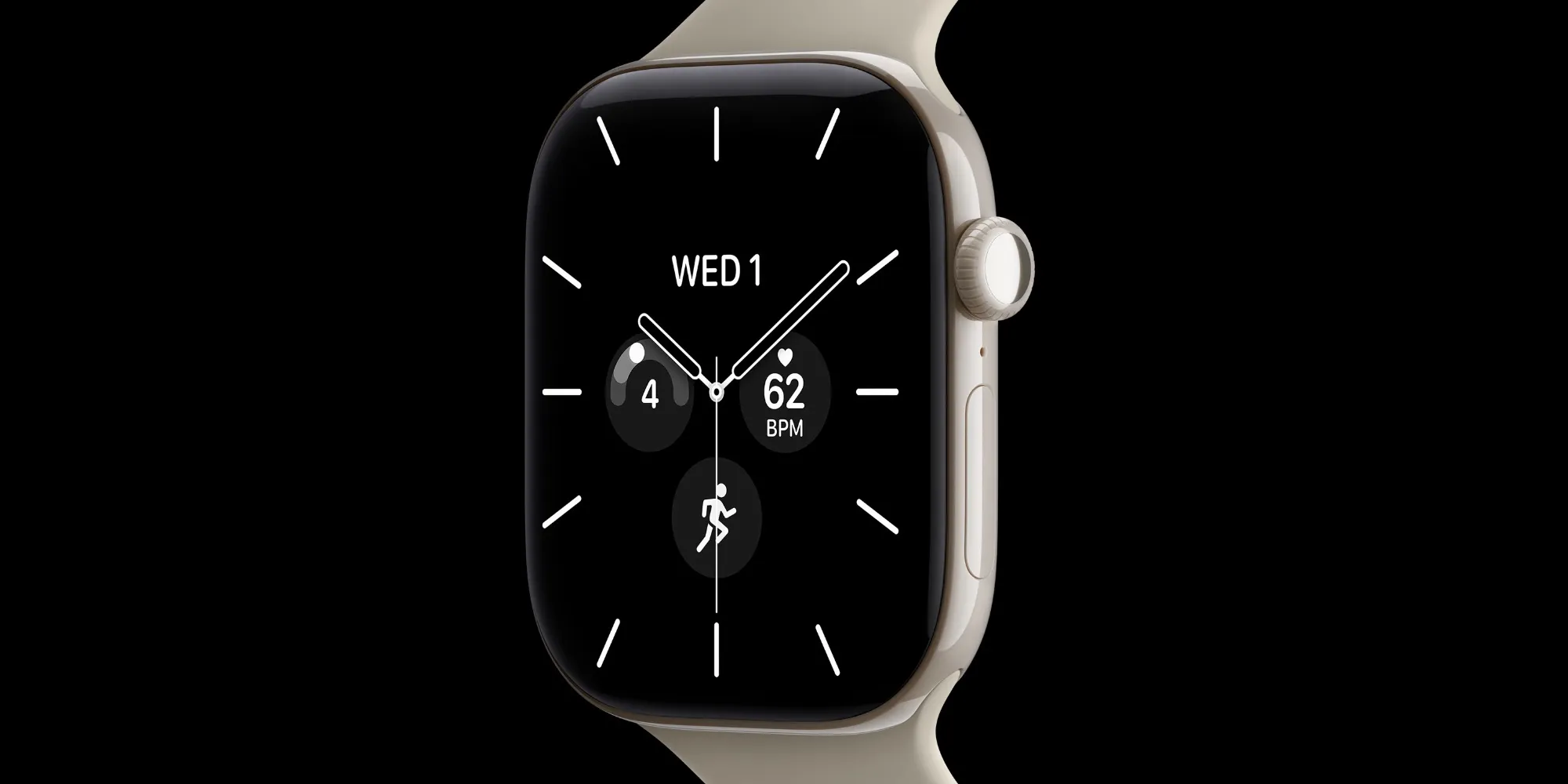
The physical enclosure presents a notable engineering choice across the 42mm and 46mm chassis options. While the active display area matches the previous hardware generation, slightly larger physical case dimensions produce visibly wider display bezels. Packing expanded internal battery capacity and redesigned sensor modules required additional volume, forcing a structural trade-off against minimal border dimensions. To enhance everyday durability, aluminum configurations incorporate Ceramic Shield 2 protective glass to resist abrasive wear. Material options also expand through ceramic finishes in Pearl White and Night Blue, alongside Dark Bronze aluminum. These premium material choices recall the physical engineering trade-offs explored in our analysis of ceramic smartwatch design history in recent years.
Architectural shifts driving the Apple Watch Series 12 upgrade
At the center of the hardware update sits the S11 system-in-package, representing the first major silicon evolution since the S9 launched in 2023. While routine interface navigation across general applications maintains familiar performance levels, the platform introduces a critical hardware revision by doubling system memory from 2GB to 4GB of RAM. In wearable computing, local memory capacity acts as the primary governor for executing machine learning models directly on device. Expanding system RAM allows the platform to store neural network parameters in fast memory buffers, drastically reducing latency and energy consumption during continuous evaluation.
The doubled system memory directly powers advanced software capabilities designated as Audio Intelligence, a feature suite shared exclusively with the Ultra 4 platform. According to official release documentation from the manufacturer, these tools isolate localized audio streams, filtering ambient acoustic environments to improve voice clarity in real time. Executing multi-channel audio isolation on wrist-bound hardware requires massive memory bandwidth, which previously choked systems equipped with only 2GB of RAM. While initial Audio Intelligence features launch alongside the device, expanded capabilities are scheduled to deploy through software updates into late 2026. This gradual rollout establishes a multi-year performance runway that leverages local hardware reserves for long-term functional software expansion.
Redesigning health hardware and physiological modeling
Beyond compute upgrades, internal sensor placement has been thoroughly re-engineered into a unified hardware arrangement called the Health Sensing System. Reorganizing optical, thermal, and electrical components optimizes signal quality while reducing operational power consumption during background tracking. The primary software application driven by this architectural update is the new Readiness app. Rather than displaying isolated biometric metrics like heart rate variability or skin temperature, the system integrates sleep metrics, physical exertion, and autonomic nervous system signals into a single daily score ranging from 0 to 10. The score translates physiological recovery into four clear guidance states: Recover, Pace Yourself, Ready, or Go For It.
This algorithmic approach places the platform in direct competition with specialized athletic wearables and continuous recovery monitors. Established platforms like Garmin and Oura have built market authority around daily energy metrics, but delivering equivalent modeling on a multi-purpose smartwatch introduces strict thermal limits. Specialized fitness trackers achieve extended operational lifespans by limiting background application execution and display refresh rates. In contrast, a device supporting active cellular connectivity and rich dynamic graphics must sample sensors without exhausting the internal battery. Dedicated hardware logic inside the S11 processor allows real-time physiological modeling to execute without causing excessive thermal throttling or battery depletion. This delicate computational balance is explored further in our coverage of wearable ambient AI architecture across modern devices.
Evaluating power efficiency and location accuracy
Power delivery and spatial tracking have also received targeted hardware revisions to support expanded computational workloads. While the official battery rating remains at 24 hours under standard operational conditions, workout endurance sees a measurable improvement. The watch provides up to 10 hours of continuous outdoor exercise tracking on a single battery charge, representing a 25 percent increase compared to the Series 11 baseline. Accelerated fast-charging capability further reduces off-wrist downtime, encouraging continuous night wear for comprehensive sleep monitoring. Meanwhile, Precision L1 GPS replaces standard location arrays, employing advanced signal filtering to reduce multipath interference in dense urban environments and dense foliage.
The choice to prioritize compute density over aggressive chassis slimming signals a broader maturation of the smartwatch market. For several consecutive hardware cycles, manufacturer marketing focused primarily on reducing display bezels and increasing peak screen brightness. Accepting slightly thicker borders to accommodate 4GB of RAM and the Health Sensing System reveals that processing throughput has taken priority over visual minimalism. Users upgrading from earlier generations will find that true value stems not from novel aesthetic touches, but from rapid localized execution, superior physiological synthesis, and extended workout tracking.
Strategic trajectory of localized wearable computing
The long-term impact of this release extends far beyond initial upgrade rates or surface hardware specifications. As personal consumer electronics pivot toward localized artificial intelligence, system memory overhead and dedicated sensor logic will dictate device longevity far more than external housing materials. Establishing a 4GB memory standard ensures that the platform remains fully capable of running localized algorithms as wearable software complexity grows. Over the coming years, this computational foundation will enable increasingly sophisticated ambient features without compromising device efficiency or daily user experience.