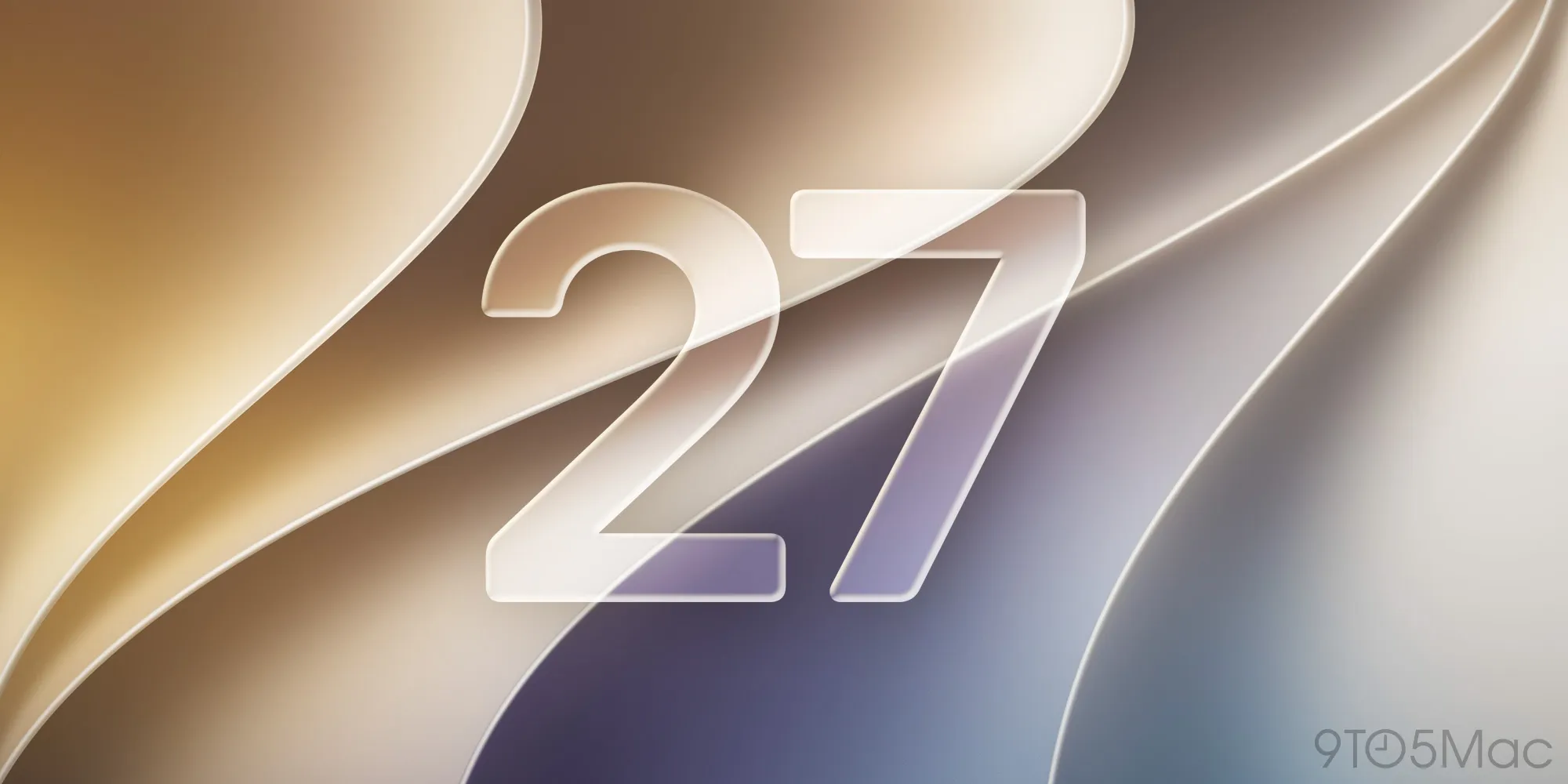

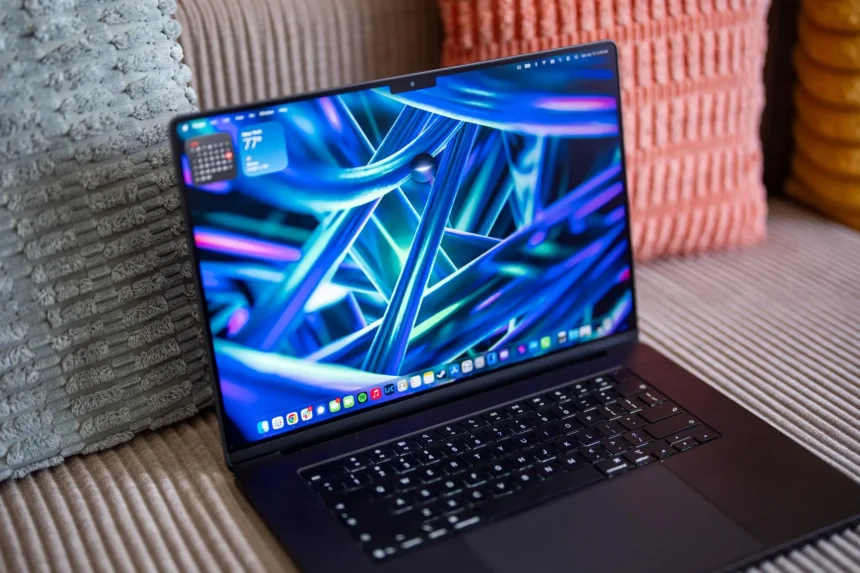
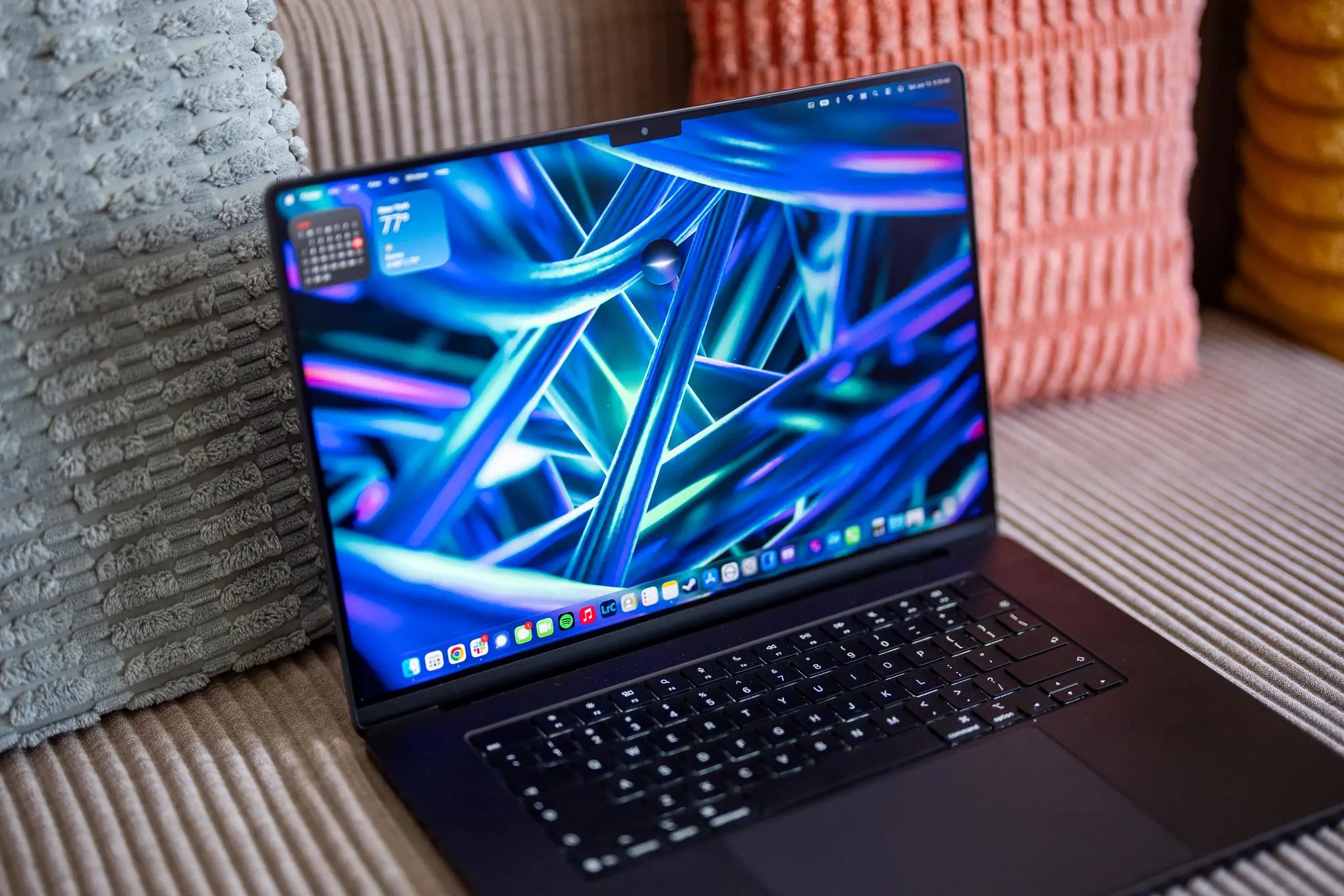
The arrival of macOS 27 Golden Gate marks a definitive turning point in desktop computing by establishing a clear boundary between hardware architectures. Apple officially released the software update on Monday in a major platform announcement, introducing deeply embedded artificial intelligence capabilities, refined interface visuals, and system optimizations across compatible hardware configurations. While every major operating system update promises enhanced efficiency, this release is fundamentally distinct because of what it excludes. By requiring Apple Silicon across all supported configurations, the operating system brings an absolute end to major feature updates for Intel-based Mac systems. Owners of legacy hardware now face a permanent software ceiling, while users operating on unified memory architecture gain access to a reimagined desktop environment centered around contextual intelligence and automated system workflows.
The transition away from x86 architecture has been underway for several years, yet this release converts what was once a gradual migration into an absolute platform rule. With the launch of macOS Tahoe last year, Apple delivered its final major operating system update for legacy Intel-based computers. That decision established Tahoe as the permanent baseline for older hardware, ensuring that subsequent software engineering efforts could focus entirely on custom ARM-based silicon. Removing support for legacy x86 instruction sets eliminates substantial structural overhead from the operating system build. Engineering teams no longer need to compile, test, and maintain dual-architecture binaries or preserve complex translation layers within system frameworks. This shift streamlines system updates, reduces installation footprints on storage drives, and permits tighter optimization of low-level kernel tasks tailored specifically for unified memory pipelines.
For enterprise technology departments and individual power users who continue to operate legacy Mac hardware, this functional boundary alters long-term deployment strategies. While security maintenance patches for previous operating system releases will likely continue for a standard support window, functional innovation on x86 platforms has effectively ceased. Organizations managing mixed hardware fleets must now operate two distinct operational tiers within their desktop infrastructure. Equipment depreciation curves for Intel systems are accelerating rapidly as buyers recognize that these machines will miss out on next-generation system intelligence extensions and advanced secure enclave frameworks built specifically for custom chips.
The total exclusion of legacy x86 processors also simplifies the broader software developer ecosystem across the entire platform. Software creators developing native utilities can now optimize their applications exclusively for unified memory models, Neural Engines, and custom graphics execution units without allocating engineering resources to legacy instruction sets. You can examine detailed hardware capabilities and memory architectures in our Apple Silicon benchmark analysis to see how chip-level integration directly influences system performance. Over time, this targeted optimization will yield desktop software that executes complex local machine learning tasks with far greater energy efficiency and significantly reduced latency compared to legacy cross-platform builds.
Understanding the Architecture Cutoff in macOS 27 Golden Gate
The technical rationale behind dropping support for x86 chips extends far beyond arbitrary support schedules or marketing strategies. Modern operating systems are increasingly designed around specialized matrix hardware, heterogeneous computing units, and tightly coupled memory channels that legacy processor designs cannot natively accommodate. Emulating or bridging these specialized workflows for older architectures would require immense computational translation, leading to poor user experiences and unacceptable battery consumption on portable machines. By establishing an absolute hardware cutoff, the software architecture can directly invoke specialized coprocessors without maintaining fallbacks for systems that lack dedicated neural acceleration circuits.
Furthermore, storage requirements and kernel compilation processes benefit immensely from a single-architecture focus. Dual-binary distribution models previously added gigabytes of redundant code to system updates, consuming precious drive space and bandwidth during updates. Eliminating x86 binaries streamlines system images and accelerates patch deployment processes for network administrators managing large device fleets. This architectural simplicity also reduces the overall surface area for system vulnerabilities, as security teams no longer need to patch legacy driver bridges or x86 translation layers that were originally built to bridge hardware generations.
Deep Context Integration with Siri AI
At the core of the macOS 27 Golden Gate user experience is a thoroughly redesigned Siri AI assistant that operates as an integral structural component of the desktop operating system rather than a standalone voice command interface. Previous iterations of digital assistants functioned primarily as basic command processors limited to simple task execution, weather queries, or web searches. The new system integrates directly with core data pipelines, enabling the assistant to securely index personal context across multiple native applications. Users can ask nuanced questions that require cross-referencing information stored within local photo libraries, personal email archives, message histories, and calendar schedules.
This deep contextual awareness translates into tangible productivity tools across everyday computing workflows. Rather than simply locating a specific document or displaying web links, the assistant can execute multi-step routines across native applications like Messages and Reminders. For instance, asking the system to summarize key decisions from a recent chat thread and turn them into actionable tasks automatically populates organized entries in the system task application. The introduction of a dedicated Siri workspace application provides a persistent interface where chat histories, generated summaries, and automated workflow results remain archived for ongoing reference and search.
Executing local contextual searches across personal files introduces critical architectural challenges regarding system resource allocation and data privacy. Running continuous background indexing services requires careful optimization to prevent memory saturation or thermal throttling on baseline devices. On entry-level machines with limited unified memory, background indexing tasks must be balanced dynamically against active creative applications. Apple addresses these privacy concerns by utilizing on-device Neural Engines and local hardware enclaves to process sensitive personal context without transmitting raw user data to remote cloud servers. Further perspective on default data protection mechanisms can be found in our privacy platform analysis detailing how hardware-level security forms standard system architecture.
Visual Refinement Through Liquid Glass Design
Beyond underlying architectural shifts and artificial intelligence layers, macOS 27 Golden Gate introduces prominent interface refinements through updates to the Liquid Glass design system. This graphical language relies on translucent interface panels, dynamic light refraction properties, and multi-layered depth effects that respond intelligently to underlying desktop content. Rather than functioning purely as visual polish, these design changes help establish clear spatial organization within complex multi-window environments, improving visual clarity on high-resolution displays.
The real-time rendering pipeline behind these visual effects relies heavily on Metal graphics acceleration and custom GPU execution units built directly into modern system architecture. Offloading dynamic lighting calculations and window blur effects to dedicated hardware ensures high frame rates during intense multitasking without consuming general processor capacity. This tight hardware-software rendering integration allows complex visual elements to render smoothly while keeping system thermal output low and preserving battery lifespan on portable Mac systems.
Long-Term Market Trajectory and Industry Shift
The release of macOS 27 Golden Gate signals a broader industry transition toward hardware-software co-design in the personal computing market. Desktop operating systems are no longer neutral software abstraction layers designed to run uniformly across generic processor architectures. Instead, modern platform software operates as a customized ecosystem where specialized silicon capabilities directly govern operating system functionality and user interface evolution. Competing operating systems are attempting similar AI integrations, but platforms with complete control over both hardware designs and operating system code retain a distinct structural advantage in executing rapid architectural transitions.
As macOS 27 Golden Gate enters widespread deployment, it cements the shift from general-purpose desktop operating systems to specialized, AI-native software platforms. The total exclusion of legacy x86 hardware represents a necessary structural step toward enabling low-latency contextual computing on personal devices. While organizations operating legacy systems must now accept a pure maintenance phase for their hardware fleets, the broader personal computing landscape is moving rapidly toward deeply integrated, contextual user experiences backed by custom hardware architecture.